What Are the Main Playground Safety Standards in the U.S.?
Two primary frameworks govern playground safety in the United States:
ASTM International Standards, particularly ASTM F1292, F1487, and related specifications establish measurable performance criteria for playground surfacing and equipment. These are the standards that surfaces must be tested against to demonstrate compliance.

The CPSC Public Playground Safety Handbook provides detailed recommendations for how playgrounds should be designed, installed, and maintained. While the CPSC handbook is guidance rather than a mandate, it’s widely adopted as the baseline for responsible playground design and is frequently referenced in liability and insurance contexts.
Together, these two frameworks give designers, installers, and playground owners a clear picture of what a safe play space looks like and what it needs to deliver.
What Is Critical Fall Height?
Critical fall height is the maximum height from which a child could fall and land on the surface without sustaining a life-threatening head injury.
Every piece of playground equipment has a critical fall height based on its highest accessible component. The surfacing system installed beneath and around that equipment must be rated to protect children at that height. If the equipment is tall, the surface needs to be more robust. If the equipment is replaced with something taller, the surface rating needs to be re-evaluated.
This is why equipment height and surfacing selection need to be planned together, not separately.
Why Does Impact Attenuation Matter So Much?
Impact attenuation is the measure of how well a surface absorbs the energy from a fall. It’s what the numbers in ASTM F1292, G-max no greater than 200, HIC no greater than 1,000 are actually measuring.
A surface with poor impact attenuation transfers more energy to a child’s head upon impact, increasing the risk of serious injury. A properly tested and certified surface absorbs enough of that energy to keep the impact within a range that’s unlikely to cause life-threatening harm.
It’s worth noting that impact attenuation isn’t a fixed property of a material. It can change over time as a surface wears, compresses, or degrades. That’s why ongoing inspection and maintenance matter, not just the initial installation.
What Types of Playground Surfacing Meet Safety Requirements?
Several surfacing types can meet ASTM compliance requirements when properly installed and maintained:
- Poured-in-place rubber surfacing
- Engineered wood fiber
- Rubber mulch
- Interlocking safety tiles
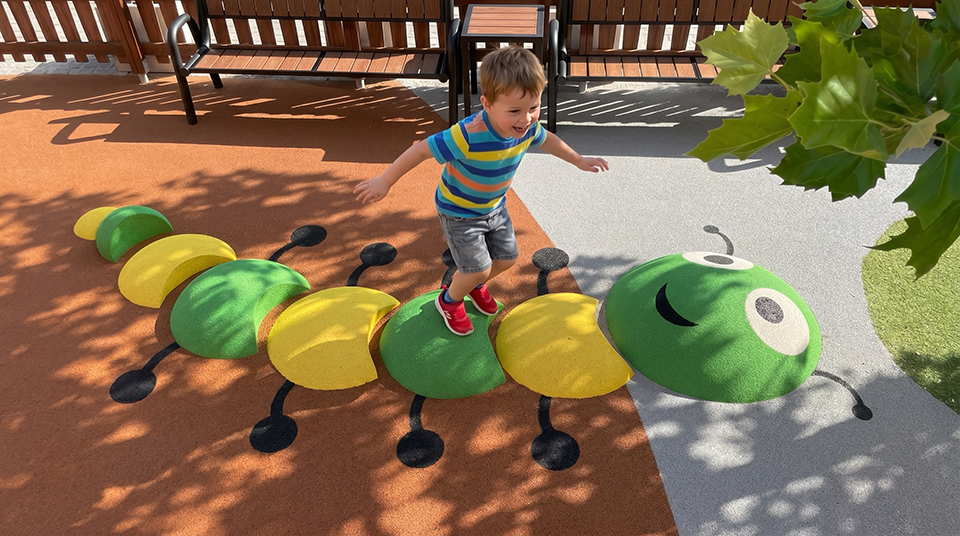
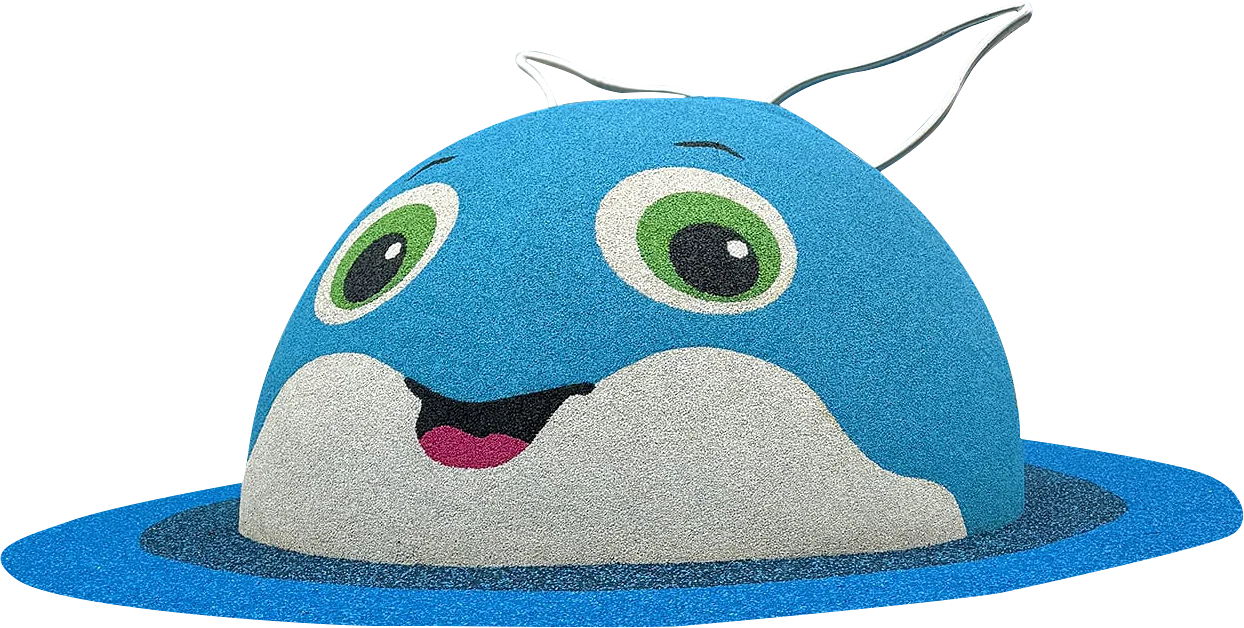
Poured-in-place rubber is widely preferred for public playgrounds and high-traffic facilities for a few practical reasons: it provides consistent coverage across the entire surface, doesn’t require depth replenishment like loose-fill materials, holds up well over time, and allows for seamless, accessible surfaces that support ADA compliance. It’s also the most design-flexible option, which matters when the playground is meant to be more than just functional.
How Thick Does Playground Surfacing Need to Be?
There’s no universal answer and any surfacing company that gives you a blanket thickness specification without knowing your equipment height is giving you incomplete information.
Required depth depends on the height of the equipment, the specific material being used, the manufacturer’s specifications, and the required fall height rating for each zone of the playground. Different zones on the same playground may require different thicknesses if the equipment heights vary significantly.
Properly engineered surfacing accounts for all of these variables so that every part of the playground delivers the protection it’s supposed to.
Where Is Protective Surfacing Required?
Protective surfacing is required under and around all equipment from which a child could fall: swings, slides, climbing structures, and elevated play components of any kind. The safety zone extends beyond the footprint of the equipment itself, not just directly underneath it.
The CPSC handbook provides specific guidelines on how far safety zones should extend based on equipment type and height. These zones must meet the same impact attenuation standards as the area directly beneath the equipment.
How Often Should Playground Surfaces Be Inspected?
More often than most people think. A practical inspection schedule looks something like this:
- Daily or weekly visual checks for obvious hazards, debris, or visible damage
- Quarterly maintenance inspections focused on wear patterns and surface integrity
- Annual professional safety audits by a qualified inspector
Loose-fill surfaces require depth monitoring on top of this. The material compacts and displaces over time, especially in high-traffic zones. Unitary surfaces like poured-in-place rubber should be checked for wear, compression, and any signs of cracking or separation.
The frequency of professional re-testing should increase after significant weather events, major repairs, or if the playground sees unusually heavy use.
What Happens If a Playground Doesn’t Meet Safety Standards?
The short answer: a lot of things you don’t want. Noncompliance increases injury liability, creates difficult conversations with insurers, and can require costly retrofits to bring the playground back into compliance. In serious cases, it can result in facility closures.
Beyond the legal and financial exposure, noncompliance means children using that playground are at greater risk. That’s the part that matters most and it’s why proactive compliance is always the better path.
Are ADA Requirements Part of Playground Safety?
Yes. The Americans with Disabilities Act mandates accessible routes and surface conditions that allow individuals using wheelchairs or other mobility devices to reach and use play areas safely. ADA accessibility isn’t separate from playground safety, it’s part of what a responsible, fully compliant playground looks like.
Poured-in-place rubber surfacing, when properly installed, supports ADA accessibility requirements by providing a firm, stable, and slip-resistant surface without the gaps or irregularities common in modular or loose-fill systems.
The Takeaway
Playground safety requirements exist for a clear reason: to protect children from serious and preventable injuries. Understanding the standards, choosing the right surfacing, installing it correctly, and maintaining it over time are all part of fulfilling that responsibility.
If you have questions about how RubberBond Solutions can help your playground meet ASTM and CPSC requirements, we’re here to help. Reach out to our team to start the conversation.